Overview
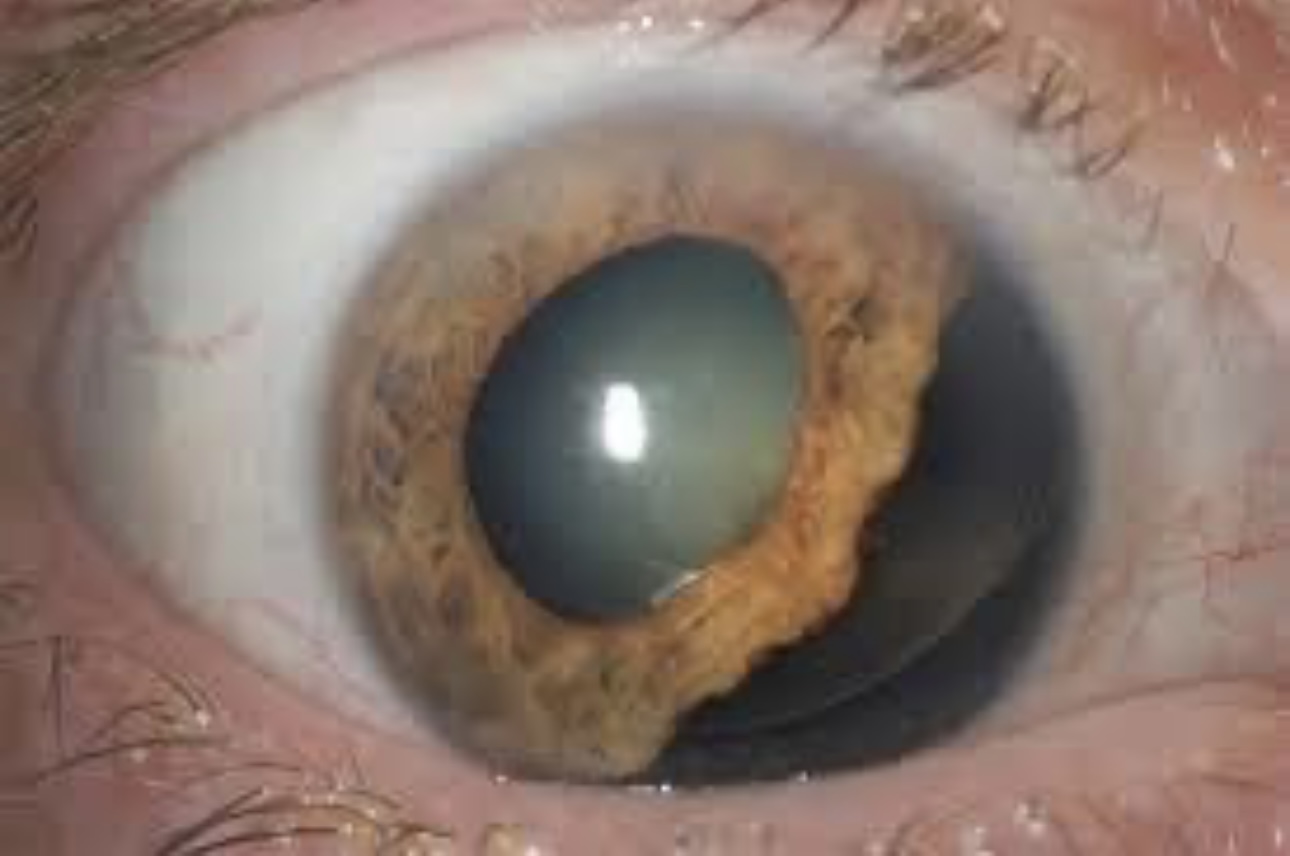
Iridodialysis is an ocular disorder that arises when the iris, the coloured ring surrounding the pupil, detaches from the ciliary body, the circular structure found behind the iris.
It's important to be aware that iridodialysis typically occurs from penetrating or blunt-force traumatic eye injuries but may also develop during an operation like cataract surgery. This insight can help you take the necessary precautions.
Symptoms of Iridodialysis
- Seeing double (diplopia)
- Pain inside the eye
- Bleeding within the eye
- Variation in pupil size
- Glare
Diagnosing Iridodialysis
Spotting a detached iris is a key part of a detailed eye exam. Further imaging studies may also be done to check for foreign bodies in the eye. When it comes to the gonioscopy test, it's important to note that this is a painless procedure, ensuring the patient's comfort while we check for glaucoma-related drainage from the eye.
Treating Iridodialysis
Treatment for iridodialysis depends on the severity of the injury and tear. For example, an expansive tear may cause double vision in a single eye, glare, increased sensitivity to light and general discomfort.
There are various surgical techniques and sutures for the repair of iridodialysis, including newly advanced laser techniques. Newer methods involve the implantation of an intraocular lens and a synthetically made iris (iris prosthesis). A prosthesis is used when there’s extensive iris tissue loss or a large iris defect left behind. Therefore, an iris prosthesis, a highly innovative form of technology, is used to restore visual appearance and function. The intraocular lens is a translucent implant which mimics the functions of the natural eye lens in order to redirect light effectively. Intraocular lenses are commonly used to replace cloudy eye lenses. However, it's important for you to give your eye adequate time to heal from traumatic iridodialysis to treat the disorder effectively. Remember, patience is key in this process. Your active participation in the recovery process is a crucial factor in the success of the procedure.
Iridodialysis