Overview
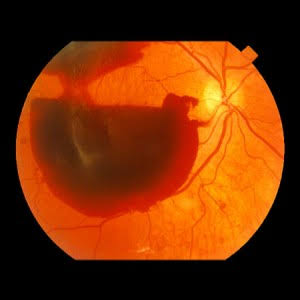
Vitreous haemorrhage occurs when there’s bleeding in the vitreous humour, the gel-like matter that fills the region between the retina and lens of the eye.
Common Signs of Vitreous Haemorrhage
The most prevalent sign is gradual loss of vision. Normally, the vitreous is clear, so light can easily enter through. However, bleeding in the vitreous can obstruct the passage of light and impair vision. Vision loss occurs unexpectedly and can be painless. However, depending on the cause, it may be permanent.
Possible Causes of Vitreous Haemorrhage
Vitreous haemorrhage develops when the tiny blood vessels in the eye suddenly seep blood directly into the vitreous. Two primary causes may occur from a traumatic mechanical force or an underlying health condition. For example, with a mechanical force, vitreous haemorrhage occurs from an immediate injury that involves direct impact to the blood vessels of the eye from blunt force trauma.
The vitreous may also separate from the retina, exerting pressure that leads to a break in the blood vessels that interconnect and cause bleeding. Furthermore, increased pressure in the eye or head may lead to its occurrence.
Underlying medical conditions that may increase the likelihood of vitreous haemorrhage include diabetes-related retinopathy, type 2 diabetes, cancer of the eye, retinal vein occlusion, hypertension, and wet age-related macular degeneration. Routine checks, especially if you have been diagnosed with an underlying health disorder, help manage symptoms and prevent the progression of the illness. Regular eye checks are crucial in preventing complications, one of which is vitreous haemorrhage.
Treating Vitreous Haemorrhage
Depending on the cause, there are several ways to treat vitreous haemorrhage, which may involve different approaches or sometimes a combination of treatments. For example, with conservative treatment, doctors often observe the disorder to check for significant changes.
Focal treatments involve using a specialised laser to repair badly damaged blood vessels. Surgery, known as vitrectomy, is a commonly employed surgical approach to removing and replacing the vitreous fluid.
VItreous Haemorrhage