
Overview
Retinal detachment repair is a delicate and intricate procedure that involves surgically fixing the retina in its original position. The surgery, a testament to the expertise of Dr Yako, a renowned ophthalmic surgeon, entails closing holes or tears and repositioning the retina. Depending on the severity and type of detachment, several surgical approaches may be used to reattach the retina.
Types of Retinal Reattachment
Vitrectomy
Vitrectomy is a widely performed surgical procedure that involves the removal and replacement of the vitreous gel (the clear, gel-like substance in the eye) with either a gas bubble or silicone oil. The bubble plays a crucial role in helping to reposition and support the retina against the back of the eye. When gas is used, it gradually absorbs on its own and does not require a second procedure. In contrast, if silicone oil is used, a follow-up surgery is typically needed to remove it once the retina has stabilized.
Scleral Buckling
In scleral buckling, a silicone band is gently placed around the outer surface of the eyeball. This band, a crucial part of the surgery, aids in pushing the eye inward, which in turn allows the retina and its surrounding structures to move closer together. The result is a scleral buckle that remains in place, ensuring the success of the procedure.
Pneumatic Retinopexy
Pneumatic retinopexy involves the introduction of a gas bubble directly into the vitreous cavity of the eye. This bubble, known for its ability to reattach the retina, repositions it at the back of the eye. Importantly, this is a safe and widely used procedure that can be performed in the comfort of your eye doctor’s office, providing you with the reassurance you need to undergo the procedure.
Apart from these above-mentioned critical procedures known for their efficacy, surgeons may also consider alternative treatment options such as advanced laser eye surgery, which enables the formation of scars around the retinal tear to promote retina reattachment or cryopexy, which involves using a freezing probe.
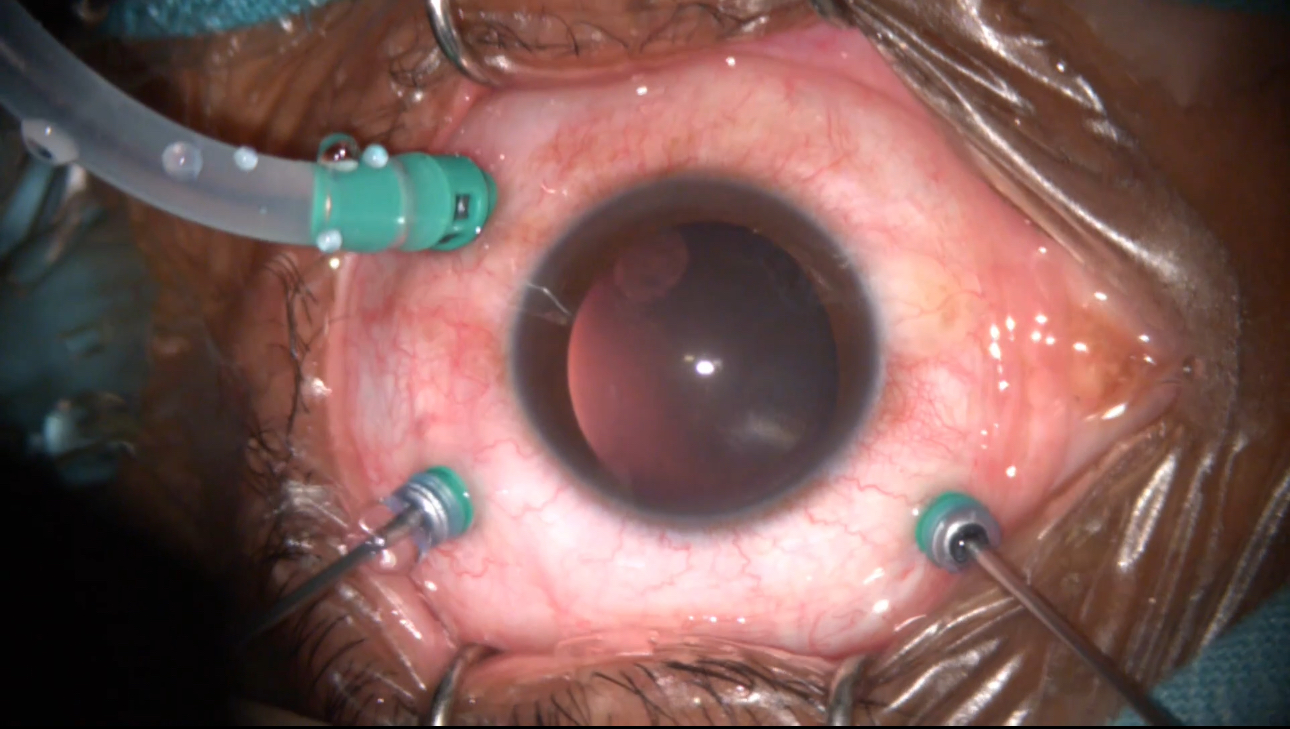
Retinal Deatchment Repair Surgery - External View
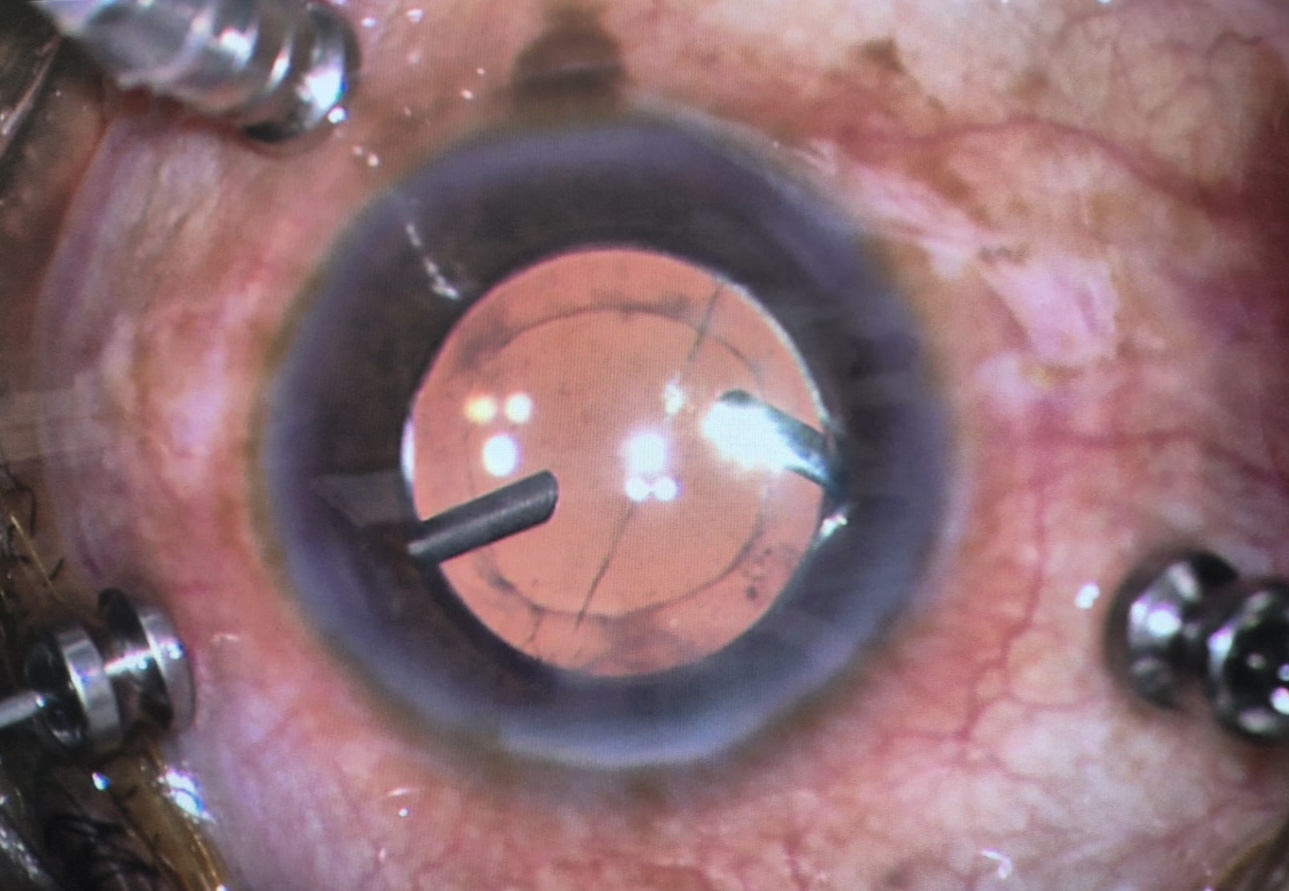
Retinal Surgery
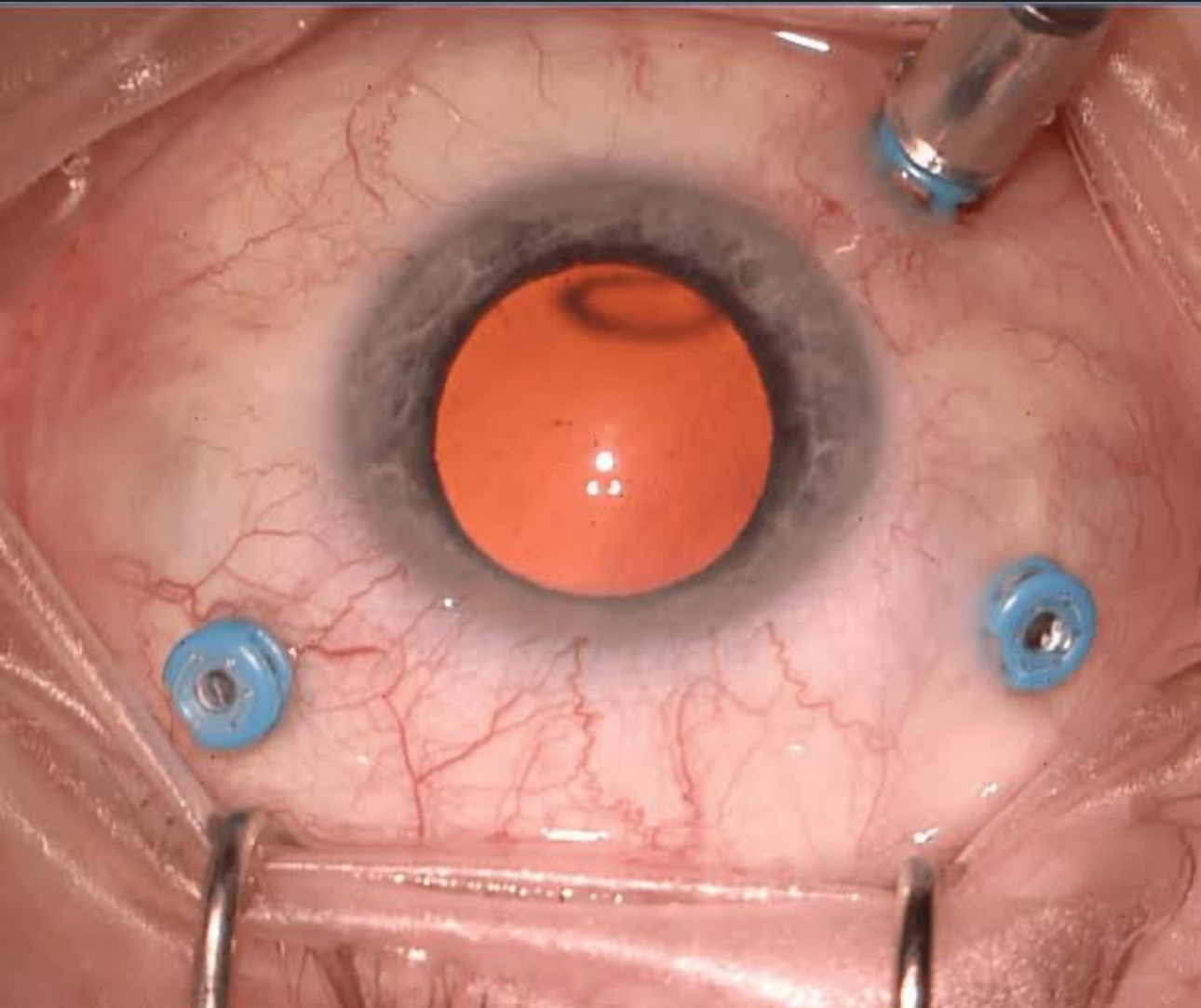
Retinal Surgery
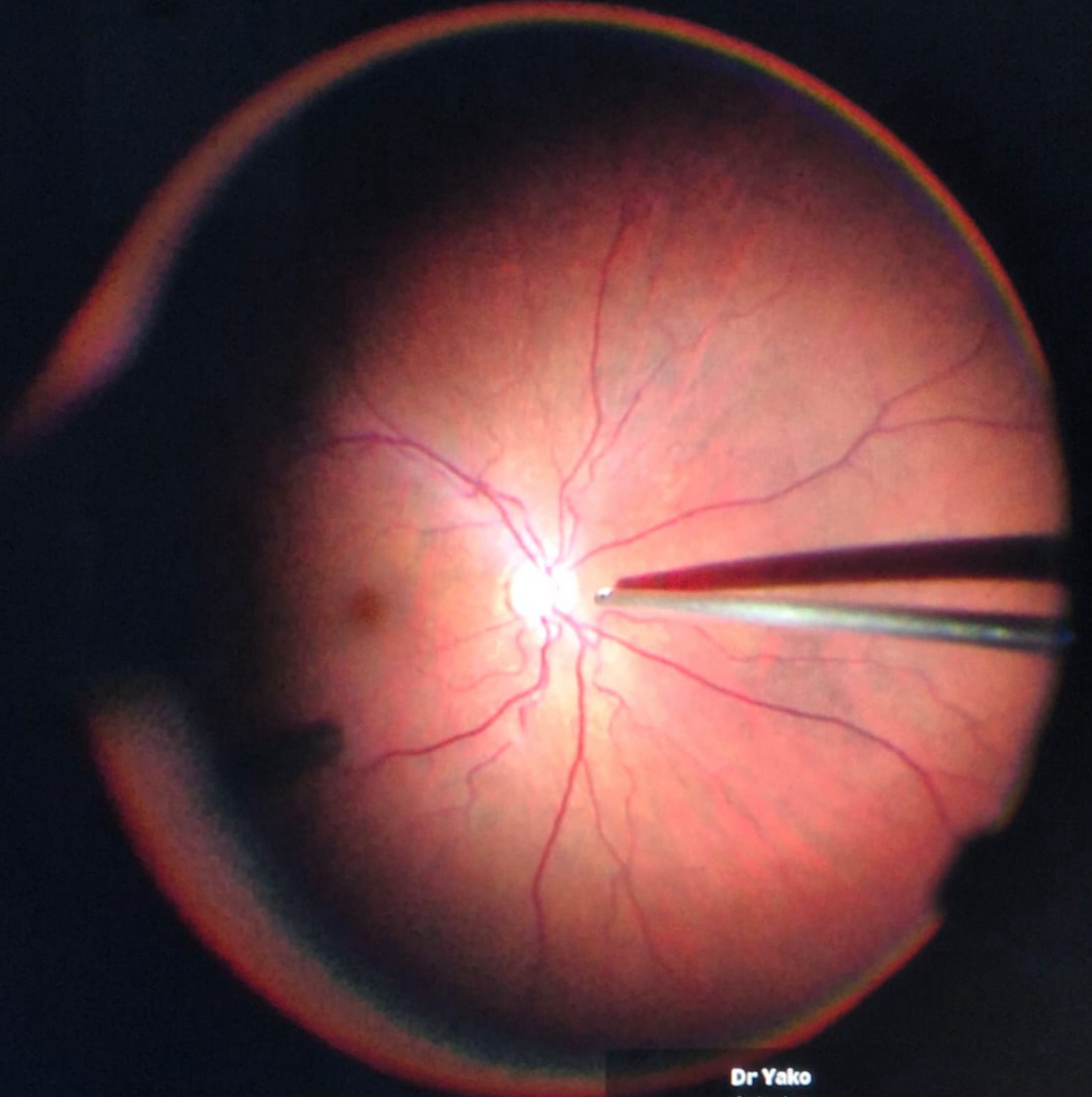
Retinal Detachment Repair Surgery - Internal View

Retinal Surgery

Retinal Surgery